
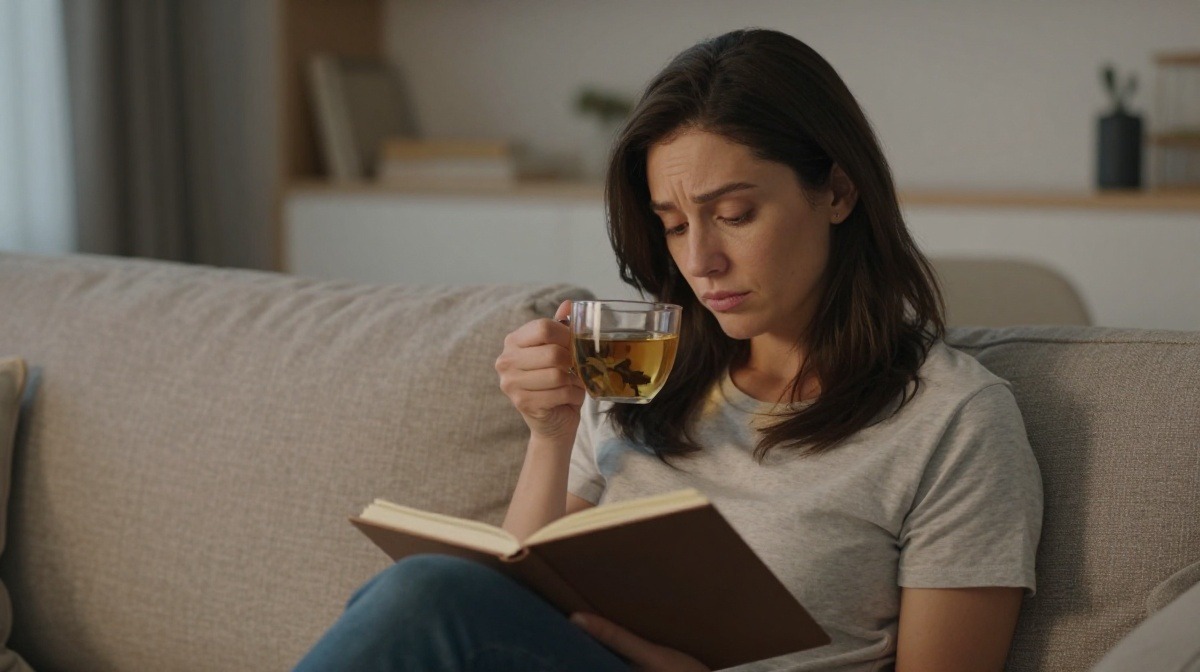


Stress is frequently discussed within the Interstitial Cystitis (IC/BPS) community in relation to symptom experiences and overall wellbeing.
While research is ongoing, many individuals report that emotional or physical stress may coincide with changes in symptom patterns.
This article provides an educational overview of commonly reported experiences.
What Is Stress in This Context?
Stress may refer to different experiences, including:
- Emotional stress (anxiety, worry, emotional strain)
- Physical stress (fatigue, illness, physical strain)
- Environmental stress (daily life pressures)
Commonly Reported Experiences
Within IC communities, some individuals describe:
- Increased symptom awareness during stressful periods
- Fluctuations in discomfort during emotional strain
- Changes in sleep patterns affecting wellbeing
These experiences are subjective and vary widely.
Possible Contributing Factors (General Discussion)
Some general factors often discussed include:
- Muscle tension
- Sleep disruption
- Hormonal changes
- Increased sensitivity to bodily sensations
These are not confirmed causes, but commonly discussed associations.
Emotional Wellbeing and IC
Living with a chronic condition like IC may be emotionally challenging for some individuals.
Many people discuss coping strategies such as:
- Rest
- Mindfulness practices
- Relaxation techniques
- Social or peer support
These are general wellbeing practices and not treatment recommendations.
Key Takeaway
Stress and Interstitial Cystitis are commonly discussed together in patient communities, but experiences vary significantly.
This content is for educational purposes only and does not provide medical advice. Always consult a qualified healthcare professional regarding diagnosis or management of IC.
Frequently Asked Questions
Can stress cause IC symptoms?
There is no confirmed universal cause-effect relationship.
Do all people with IC experience stress-related changes?
No, experiences vary.
Is IC psychological?
No. IC is a physical condition, but emotional wellbeing may influence how symptoms are experienced.